








Author: J H McIntosh
Introduction
Designing and furnishing your home is an exciting journey that reflects your personal taste and lifestyle. However, it can be overwhelming to choose the right furniture, fittings, and decorative accessories. This guide will help simplify the process by offering practical advice on how to make thoughtful selections for each room in your house.
Understanding Your Space
 Before purchasing any items, it’s crucial to assess the dimensions and layout of your rooms.
Measure the Space: Begin by measuring your room’s dimensions. Note doorways, windows, and any architectural features such as fireplaces or alcoves
Traffic Flow: Ensure that the furniture layout doesn’t obstruct movement within the space. There should be adequate room to walk around without feeling cramped.
Functionality: Consider how the room will be used. A living room might require more seating, while a bedroom focuses on comfort and storage.
Choosing the Right Furniture

Furniture defines the personality and function of a room. It’s important to find pieces that are both stylish and functional.
Invest in Quality: While it can be tempting to go for cheaper options, investing in well-made, durable furniture ensures longevity. Look for solid wood, quality upholstery, and sturdy construction.
Scale and Proportion: Make sure your furniture is proportionate to the size of your room. Large furniture can overwhelm small spaces, while tiny pieces can make a large room feel empty.
Comfort and Function: Comfort should never be sacrificed for style. Test seating for comfort, and consider multipurpose furniture, such as storage ottomans or sofa beds, to maximize utility.
Style Cohesion: Stick to a theme that resonates with you, whether it’s modern, traditional, rustic, or eclectic. This ensures that your furniture and accessories harmonize with one another.
Selecting Fittings for a Cohesive Look
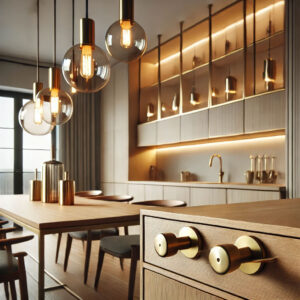 Fittings such as light fixtures, door handles, and built-in storage are functional elements that also contribute to the overall style.
Lighting: Lighting plays a vital role in the ambiance of a room. Mix ambient, task, and accent lighting for layered illumination. Choose fixtures that complement your room’s theme, such as sleek pendant lights for modern spaces or chandeliers for a classic look.
Hardware: Small details like drawer pulls and cabinet handles can make a big difference. Opt for finishes like brass, chrome, or matte black that match other hardware in the room.
Built-In Storage: If space allows, consider built-in shelves, wardrobes, or entertainment centers that maximize storage while keeping the room clutter-free.
Kitchens, Where We Spend a Lot of Time
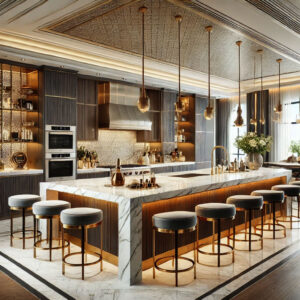 The stunning kitchen shown here combines modern luxury with functional elegance. The spacious layout, high-end materials, and custom finishes create an inviting yet sophisticated atmosphere. Key features like the marble countertops and gold accents elevate the design, while the open floor plan and natural lighting enhance its overall appeal.
Sleek Marble Countertops: Durable and stylish, perfect for meal prep and entertaining.
Gold Hardware Accents: Adds a touch of luxury and elegance to the cabinetry and fixtures.
Central Island with Bar Stools: Ideal for casual dining, socializing, and additional storage space.
The Bathroom
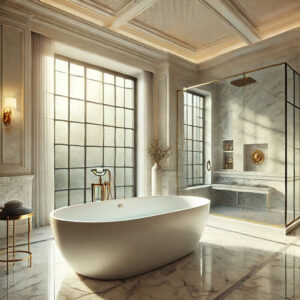 This spa-like bathroom exudes elegance and tranquility with its oversized freestanding tub and spacious walk-in shower. The combination of natural light, marble surfaces, and gold accents creates a serene and luxurious retreat, perfect for relaxation and rejuvenation.
Oversized Freestanding Tub: A stunning centerpiece that invites relaxation and comfort.
Spacious Walk-in Shower: Featuring a glass enclosure and rainfall showerhead for a spa-like experience.
Marble Floors and Gold Accents: Add sophistication and luxury, enhancing the bathroom’s overall design.
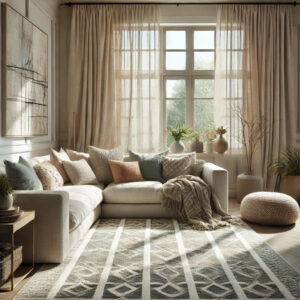 Curtains, Carpets, and Other Accessories
Accessories are the finishing touches that complete the look of a room. This includes curtains, carpets, throw pillows, and art pieces.
Curtains and Blinds: Choose window treatments that complement both the room’s style and function. Lighter fabrics such as linen work well in casual spaces, while heavier materials like velvet offer a more formal appearance. Make sure the length and width are appropriate for the window size.
Rugs and Carpets: Rugs help define spaces, especially in open-concept living areas. Choose rugs that are large enough to anchor the furniture. Consider the material—wool and jute are durable options, while synthetic fibers may be more budget-friendly.
Throw Pillows and Textiles: Pillows, blankets, and textiles add color and texture to a room. Opt for a mix of patterns and solids that complement your furniture.
Art and Décor: Artwork and décor pieces personalize a space. Be mindful of scale; larger pieces can serve as focal points, while smaller items work best as accents.
Balancing Aesthetics and Practicality
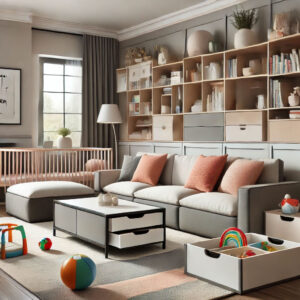 While it’s important to choose furniture and accessories that reflect your style, you must also consider practicality.
Storage Solutions: Choose furniture with hidden storage options, like coffee tables with drawers or beds with built-in storage, especially if you’re working with smaller spaces.
Durability: If you have children or pets, choose durable, stain-resistant materials for furniture and carpets.
Budget-Friendly Tips: Prioritize your spending on key pieces like sofas or dining tables and save on decorative accessories. Vintage shops and online marketplaces can also be great sources for unique, affordable finds.
Sustainability and Eco-Friendly Choices
 More homeowners are now considering the environmental impact of their furniture and fittings.
Sustainable Materials: Look for furniture made from renewable resources, such as bamboo or reclaimed wood. These options reduce your carbon footprint while adding a unique touch to your home.
Ethical Manufacturing: Research brands that follow ethical manufacturing practices, ensuring that workers are paid fairly and that the production processes are environmentally friendly.
Secondhand Shopping: Buying vintage or secondhand furniture not only saves money but also reduces waste by giving new life to older pieces.
Creating a Harmonious Color Scheme
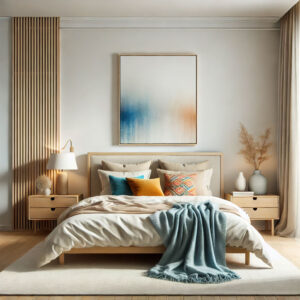 A cohesive color palette ties all elements of a room together.
Neutral Base: Start with a neutral color for larger pieces of furniture and walls, which allows you to easily switch up accessories and décor over time.
Pop of Color: Add interest with bold accent pieces like a colorful rug, artwork, or throw pillows. This can brighten the room without overwhelming it.
Consistency Throughout the Home: While each room can have its own theme, maintaining some consistency in color or style throughout the house ensures a harmonious flow from one space to the next.
Conclusion
Selecting the right furniture, fittings, and accessories for your home requires careful consideration of space, style, and practicality. By balancing these elements and paying attention to details like color, texture, and scale, you can create a home that not only looks beautiful but also functions well for your lifestyle. Whether you’re furnishing a single room or an entire house, we trust this guide will help you make informed choices that reflect your personal style and create a welcoming, comfortable environment.
